
The Benefits of Delaying Spay Neuter for Miniature Longhair Dachshunds Until After One Year
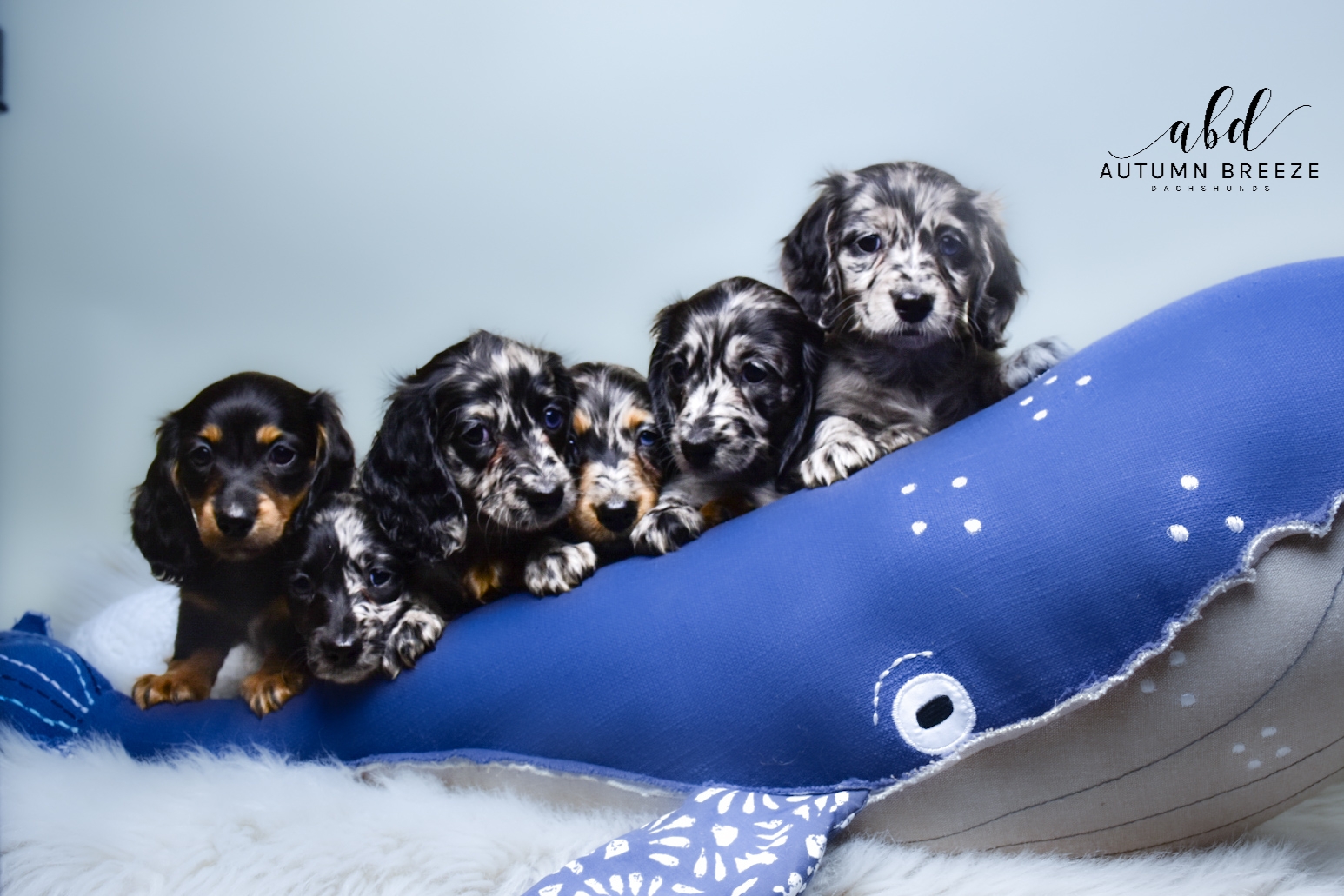
Spaying or neutering a dog is a common and responsible choice for pet owners. Yet, when it comes to miniature longhair dachshunds, the timing of this procedure deserves special attention. Waiting until after the dog is one year old can offer significant health and behavioral benefits specific to this breed. This post explores why delaying spay or neuter surgery until after the first year is often the best decision for miniature longhair dachshunds.

Understanding the Unique Physiology of Miniature Longhair Dachshunds
Miniature longhair dachshunds have a distinct body structure and coat type that set them apart from other dogs. Their elongated spine and short legs make them prone to specific health issues, especially related to bone and joint development. The long, silky coat requires regular grooming and care, which also reflects their unique genetic makeup.
Because of these breed-specific traits, the timing of spaying or neutering can influence their growth and overall health. Early surgery, before the dog reaches full maturity, may interfere with natural hormonal development that supports bone strength and coat quality.
How Hormones Affect Growth and Development
Sex hormones such as estrogen and testosterone play a critical role in the growth plates of bones. In miniature longhair dachshunds, these hormones help regulate the closure of growth plates, which affects the final size and shape of the dog. Spaying or neutering before these hormones have completed their role can lead to delayed closure of growth plates, potentially causing:
Increased risk of joint problems like hip dysplasia or patellar luxation
Abnormal bone growth or lengthening of limbs
Higher chance of spinal issues due to altered skeletal development
Waiting until after one year allows the dog’s bones to mature properly, reducing the risk of these complications.
Behavioral Benefits of Waiting to Spay or Neuter
Miniature longhair dachshunds are known for their lively and sometimes stubborn personalities. Hormones influence behavior, and early removal of sex hormones can affect temperament and socialization. Delaying spay or neuter surgery until after one year can help:
Maintain natural hormone levels during critical socialization periods
Support the development of stable, confident behavior
Reduce anxiety or fearfulness that may arise from early hormonal changes
Owners often report that dogs spayed or neutered later show fewer behavioral issues related to fear or aggression.
Impact on Coat and Skin Health
The long, flowing coat of miniature longhair dachshunds requires special attention. Hormones contribute to maintaining healthy skin and coat condition. Early spaying or neutering can sometimes lead to:
Thinner or duller coat texture
Increased shedding or skin sensitivity
Greater susceptibility to certain skin conditions
Allowing the dog to mature hormonally before surgery supports better coat quality and skin health.
Risks of Early Spay/Neuter Specific to Miniature Longhair Dachshunds
While spaying and neutering have many benefits, early surgery in this breed can increase the likelihood of:
Urinary incontinence, especially in females
Increased risk of certain cancers, such as hemangiosarcoma and lymphoma, based on some studies
Weight gain and obesity due to metabolic changes before full growth
Delaying the procedure until after one year helps balance these risks with the benefits of spaying or neutering.
Practical Considerations for Owners
Waiting until after one year does not mean neglecting responsible pet care. Owners should:
Use reliable methods to prevent unwanted breeding during the waiting period
Monitor the dog’s health closely with regular veterinary visits
Maintain proper exercise and diet to support healthy growth
Discussing the timing of spay or neuter with a veterinarian familiar with miniature longhair dachshunds ensures the best personalized plan.
Summary of Benefits for Delaying Spay/Neuter
Supports proper bone and joint development
Encourages stable, confident behavior
Maintains healthy coat and skin condition
Reduces risk of urinary and metabolic issues
Allows for informed, breed-specific veterinary care
Waiting until after one year respects the unique needs of miniature longhair dachshunds and promotes their long-term health and happiness.


Comments