
Things to Know Before Getting a Miniature Longhair Dachshund
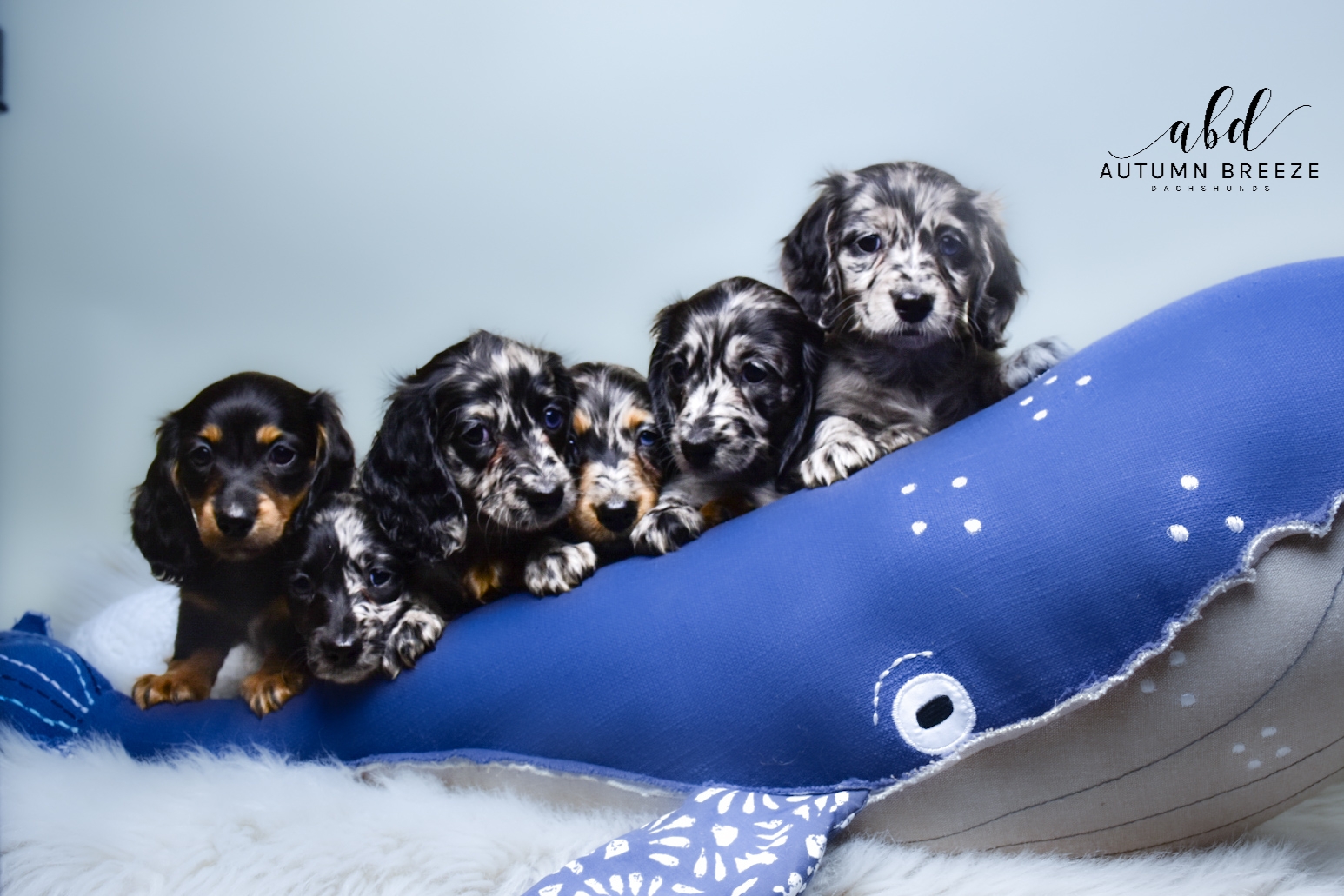
When you decide to welcome a miniature longhair dachshund into your home, you’re not just getting a pet—you’re gaining a lively companion with a unique personality and specific needs. As an in-home breeding program dedicated to miniature longhair dachshunds, we understand the importance of preparing future owners with the right knowledge. Our goal is to ensure each puppy is healthy, well-socialized, and raised with meticulous care, matched thoughtfully with loving forever homes across the USA, and Canada.
Before you bring your new furry friend home, here are 13 essential things to know about miniature longhair dachshunds that will help you provide the best care and build a strong bond.
They’re Small in Size, Big in Personality
Miniature longhair dachshunds may be small in size, but their personalities are anything but. These dogs are confident, curious, and often quite bold. They love to explore and can be surprisingly stubborn, which makes them both entertaining and challenging.
For example, you might find your dachshund taking charge during playtime or insisting on investigating every nook and cranny of your home. Their spirited nature means they thrive on interaction and mental stimulation. Providing puzzle toys or engaging in training sessions can help channel their energy positively.
Burrowing Is Part of Their Genetic Makeup
One of the most endearing traits of miniature longhair dachshunds is their love for burrowing. This instinct comes from their history as hunting dogs, where they would dig and burrow to chase out prey.
Expect your dachshund to snuggle under blankets, pillows, or even dig into soft bedding. To accommodate this natural behavior, provide cozy blankets or a designated burrowing bed. This will keep them comfortable and happy while protecting your furniture.

Patience and Rewards are Essential for Training
Training a miniature longhair dachshund can be a rewarding experience, but it requires patience and consistency. These dogs are intelligent but can be independent thinkers, which sometimes leads to selective listening.
Positive reinforcement is key. Use treats, praise, and play as rewards to encourage good behavior. Short, frequent training sessions work best to keep their attention. For example, teaching basic commands like "sit," "stay," and "come" early on will set a strong foundation.
Remember, harsh corrections can damage trust, so always approach training with kindness and understanding.
Surprisingly, They Can Be Loud
Despite their small size, miniature longhair dachshunds have a surprisingly loud bark. They are naturally alert and make excellent watchdogs, often barking to alert you of strangers or unusual noises.
This trait can be a double-edged sword. While their vigilance is valuable, excessive barking can become a problem if not managed. Early training to control barking and providing plenty of mental and physical stimulation can help reduce unnecessary noise.
Back Health Is Very Important
One of the most critical aspects of caring for a miniature longhair dachshund is protecting their back. Their long spine and short legs make them prone to intervertebral disc disease (IVDD), a serious condition that can cause pain and mobility issues.
To keep your dachshund’s back healthy:
Avoid letting them jump from high places like couches or beds.
Use ramps or stairs to help them access furniture safely.
Maintain a healthy weight to reduce strain on their spine.
Provide regular, gentle exercise to keep muscles strong.
Regular vet check-ups are essential to catch any early signs of back problems.

Attracted to Warmth
Miniature longhair dachshunds love warmth. You’ll often find them cuddled up near heaters, sunny windows, or under blankets. Their long coat provides some insulation, but they still prefer cozy spots.
In colder climates, consider providing a warm dog sweater or heated bed during winter months. Conversely, in hot weather, be cautious of overheating. Always ensure they have access to shade and fresh water.
Early Socialization Is Crucial
Socializing your miniature longhair dachshund from a young age is vital to developing a well-rounded temperament. Exposure to different people, animals, environments, and sounds helps prevent fearfulness or aggression later in life.
Start socialization gradually and positively. Puppy classes, playdates, and supervised outings are excellent ways to build confidence. This early investment pays off with a friendly, adaptable dog.
They Might Show Affection Selectively
While many dachshunds are loving and loyal, miniature longhairs can sometimes be selectively affectionate. They might bond deeply with one or two family members but be more reserved with others.
Respect their boundaries and allow them to warm up at their own pace. Offering treats and gentle attention can help build trust. Over time, most dachshunds become more open and affectionate with their entire family.
They Tend to Gain Weight Easily
Miniature longhair dachshunds have a tendency to gain weight if their diet and exercise are not carefully managed. Extra pounds put additional stress on their backs and joints, increasing the risk of health problems.
To keep your dachshund fit:
Feed a balanced, portion-controlled diet.
Avoid excessive treats and table scraps.
Provide daily exercise, such as walks and playtime.
Monitor their weight regularly and consult your vet if needed.
Maintaining a healthy weight is one of the best ways to ensure a long, happy life.
Small Size Doesn't Equate to Low Energy
Despite their small stature, miniature longhair dachshunds are energetic dogs. They enjoy playtime, walks, and mental challenges. Underestimating their energy needs can lead to boredom and destructive behavior.
Aim for at least 30 minutes to an hour of activity daily. This can include:
Walks around the neighborhood
Interactive games like fetch or tug-of-war
Training sessions with new commands or tricks
Keeping them active helps maintain their physical and mental health.
They May Develop Excessive Attachment
Miniature longhair dachshunds are known for forming strong attachments to their owners. While this loyalty is heartwarming, it can sometimes lead to separation anxiety if they are left alone for long periods.
To prevent this:
Gradually acclimate your dachshund to alone time.
Provide engaging toys or puzzles when you’re away.
Consider doggy daycare or a pet sitter if you have a busy schedule.
Building independence helps your dachshund feel secure even when you’re not around.
Dachshund-Proofing Your Home Is Essential
Because of their curious and sometimes stubborn nature, dachshunds can get into trouble if your home isn’t prepared. Their long bodies and short legs make them vulnerable to injuries from falls or tight spaces.
Some tips for dachshund-proofing:
Block off stairs or use gates.
Secure electrical cords and small objects.
Remove toxic plants or chemicals.
Provide safe chew toys to prevent destructive chewing.
Creating a safe environment protects your dachshund and gives you peace of mind.
They’ll Capture Your Heart and Your Place in Bed
One of the most delightful things about miniature longhair dachshunds is their affectionate nature. Many love to snuggle and will happily claim your lap or bed as their own.
Be prepared for a loyal companion who wants to be close to you at all times. This closeness strengthens your bond and brings endless joy.
Choosing a miniature longhair dachshund means embracing a lively, loving, and sometimes challenging companion. With the right knowledge and preparation, you can provide a nurturing home that meets their unique needs. At Autumn Breeze Dachshunds, we are proud to support enthusiasts by raising healthy, well-socialized puppies and matching them with families who will cherish them forever.
If you’re interested in learning more about our breeding program or finding your perfect miniature longhair dachshund, please visit our website.



Comments