
Expert Health Tips for Dachshunds from Top Breeders
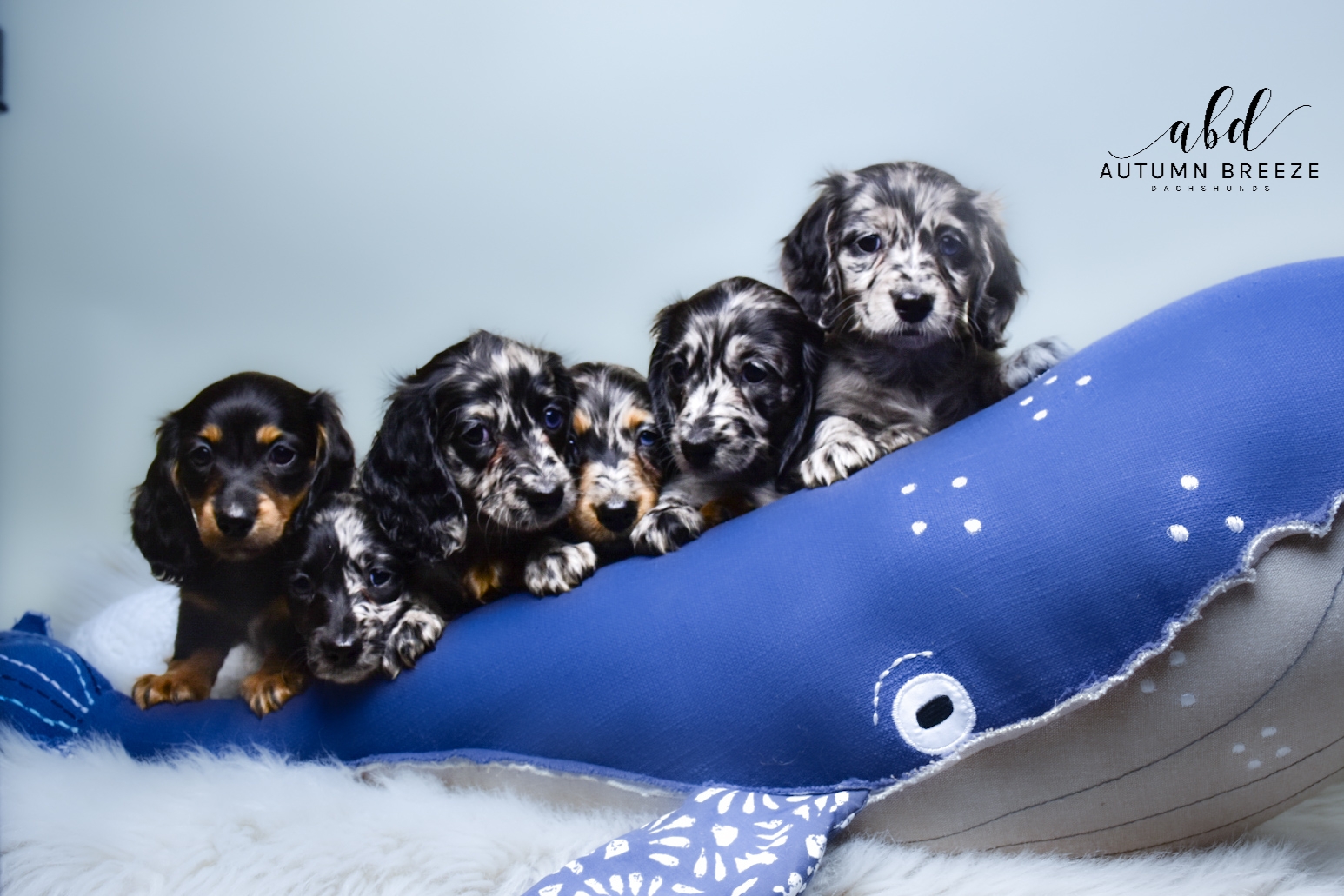
As an in-home breeding program dedicated to miniature longhair dachshunds, we understand the importance of health and well-being in these charming little dogs. Our primary goal is to ensure each puppy is healthy, well-socialized, and raised with meticulous care. We carefully match our dachshunds with loving pet homes throughout North America. In this post, I want to share some expert health tips for dachshunds that we have learned through years of experience and dedication.
Essential Health Tips for Dachshunds
Dachshunds are a unique breed with specific health needs. Their long backs and short legs can make them prone to certain conditions, so it’s crucial to take preventive measures early on. Here are some of the most important health tips for dachshunds that every owner should know:
Maintain a healthy weight: Dachshunds are prone to obesity, which can put extra strain on their spine and joints. Feeding a balanced diet and avoiding overfeeding is key.
Regular exercise: Moderate daily exercise helps keep their muscles strong and supports joint health. Avoid activities that involve excessive jumping or twisting.
Back support: Use ramps or stairs to help your dachshund get on furniture or into cars to prevent spinal injuries.
Routine vet check-ups: Early detection of health issues like intervertebral disc disease (IVDD) can make a big difference in treatment outcomes.
Dental care: Regular brushing and dental check-ups prevent periodontal disease, which can affect overall health.
By following these tips, you can help your dachshund live a long, happy, and healthy life.

Nutrition and Diet: The Foundation of Health
Proper nutrition is the cornerstone of your dachshund’s health. We recommend feeding high-quality dog food formulated for small breeds, with the right balance of protein, fats, and carbohydrates. Here are some specific recommendations:
Choose age-appropriate food: Puppies, adults, and seniors have different nutritional needs.
Avoid fillers and artificial additives: These can cause allergies or digestive issues.
Portion control: Follow feeding guidelines and adjust based on your dog’s activity level and weight.
Include supplements if needed: Omega-3 fatty acids support skin and coat health, while glucosamine can help joint function.
Always consult your veterinarian before introducing supplements or making major diet changes. Hydration is equally important, so ensure fresh water is always available.
Exercise and Physical Activity for Long-Term Wellness
Dachshunds need regular exercise to maintain muscle tone and prevent obesity, but their unique body shape requires careful management of physical activity. Here’s how to keep your dachshund active safely:
Daily walks: Short, frequent walks are better than long, strenuous ones.
Avoid high-impact activities: Jumping off furniture or running on slippery floors can cause injuries.
Mental stimulation: Puzzle toys and training sessions keep their minds sharp and reduce boredom.
Swimming: This low-impact exercise is excellent for building muscle without stressing the spine.
By balancing physical and mental exercise, you’ll help your dachshund stay fit and happy.
Preventing and Managing Common Health Issues
Dachshunds are prone to several breed-specific health problems. Awareness and early intervention are crucial. Here are some common issues and how to manage them:
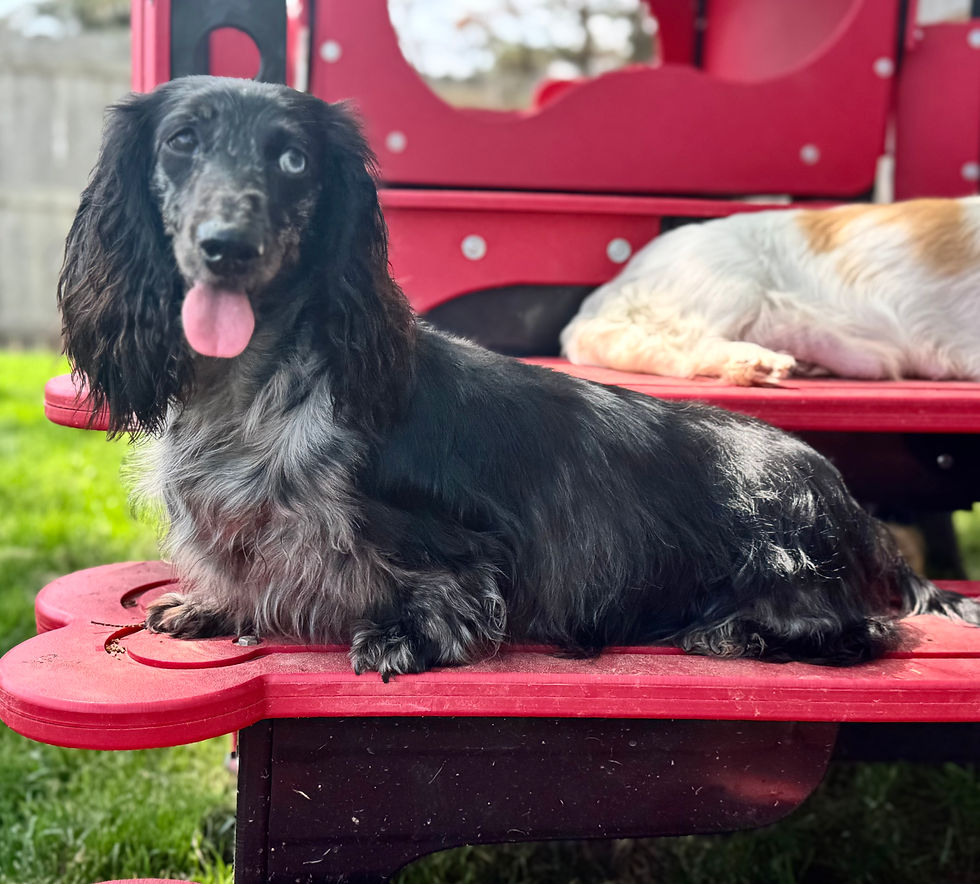
Intervertebral Disc Disease (IVDD): This is the most serious health concern for dachshunds. Prevent it by avoiding activities that strain the back and maintaining a healthy weight.
Dental problems: Regular brushing and professional cleanings prevent tooth decay and gum disease.
Ear infections: Their floppy ears can trap moisture, so clean ears regularly and check for signs of infection.
Obesity: Monitor weight closely and adjust diet and exercise accordingly.
Patellar luxation: This knee joint issue can cause limping; early diagnosis helps manage symptoms.
Regular veterinary visits and prompt attention to any signs of discomfort or behavioral changes are essential for early diagnosis and treatment.
Socialization and Mental Health: A Holistic Approach
Health is not just physical. A well-socialized and mentally stimulated dachshund is less likely to develop anxiety or behavioral problems. From the moment puppies join their new homes, we emphasize socialization with people, other dogs, and various environments.
Introduce new experiences gradually: This builds confidence and reduces fear.
Positive reinforcement training: Encourages good behavior and strengthens your bond.
Provide safe spaces: A cozy bed or crate helps your dachshund feel secure.
Regular interaction: Dachshunds thrive on companionship and can develop separation anxiety if left alone too long.
Mental well-being supports physical health, so don’t overlook this important aspect of care.
Partnering with Trusted Breeders for Healthy Puppies
As a dedicated in-home breeding program, we take pride in producing healthy, well-tempered miniature longhair dachshunds. We carefully screen our breeding dogs for genetic health issues and provide excellent prenatal and postnatal care. When you choose a puppy from a responsible breeder, you’re investing in a healthier future for your dog.
For those interested in learning more, I recommend exploring dachshund health tips from breeders to gain insights from experienced professionals.
We also prioritize matching each puppy with a loving, well-vetted forever home to ensure they receive the care and attention they deserve.
Creating a Safe and Comfortable Home Environment
Your dachshund’s environment plays a big role in their health. Here are some tips to create a safe and comfortable space:
Use non-slip rugs: Prevent slipping on hardwood or tile floors.
Provide orthopedic beds: Support their joints and spine.
Limit stairs and jumping: Use baby gates or ramps where needed.
Keep hazardous items out of reach: Small toys, chemicals, and cords can be dangerous.
Maintain a consistent routine: Helps reduce stress and anxiety.
A thoughtful home setup helps prevent injuries and promotes overall well-being.
Ongoing Care and Lifelong Commitment
Caring for a dachshund is a lifelong commitment. Regular vet visits, proper nutrition, exercise, and mental stimulation are ongoing needs. Stay informed about breed-specific health concerns and maintain open communication with your veterinarian.
Remember, every dachshund is unique. Pay attention to your dog’s individual needs and personality. With love, patience, and the right care, your miniature longhair dachshund will be a joyful companion for many years.
Thank you for taking the time to read these expert health tips for dachshunds. We hope this information helps you provide the best care possible for your beloved pet. If you’re interested in learning more about our breeding program or finding a healthy, well-socialized miniature longhair dachshund, please reach out. We are here to support you on this wonderful journey.


Comments